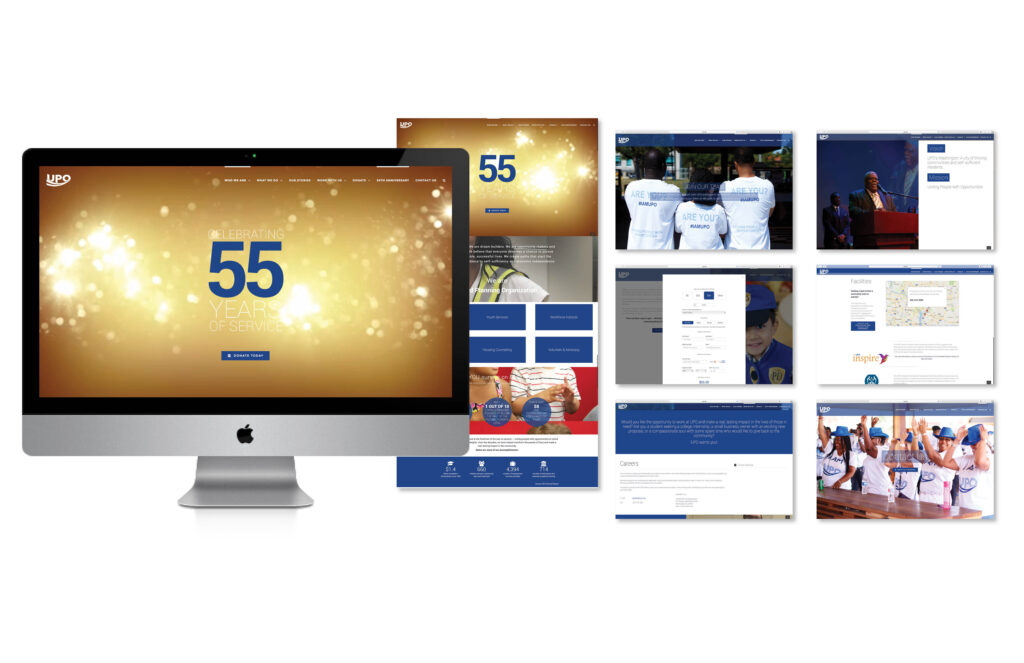
Project Introduction
Campaign branding and social media creative supporting DC Health Link’s efforts to connect District residents with quality, affordable health coverage.

the challenge
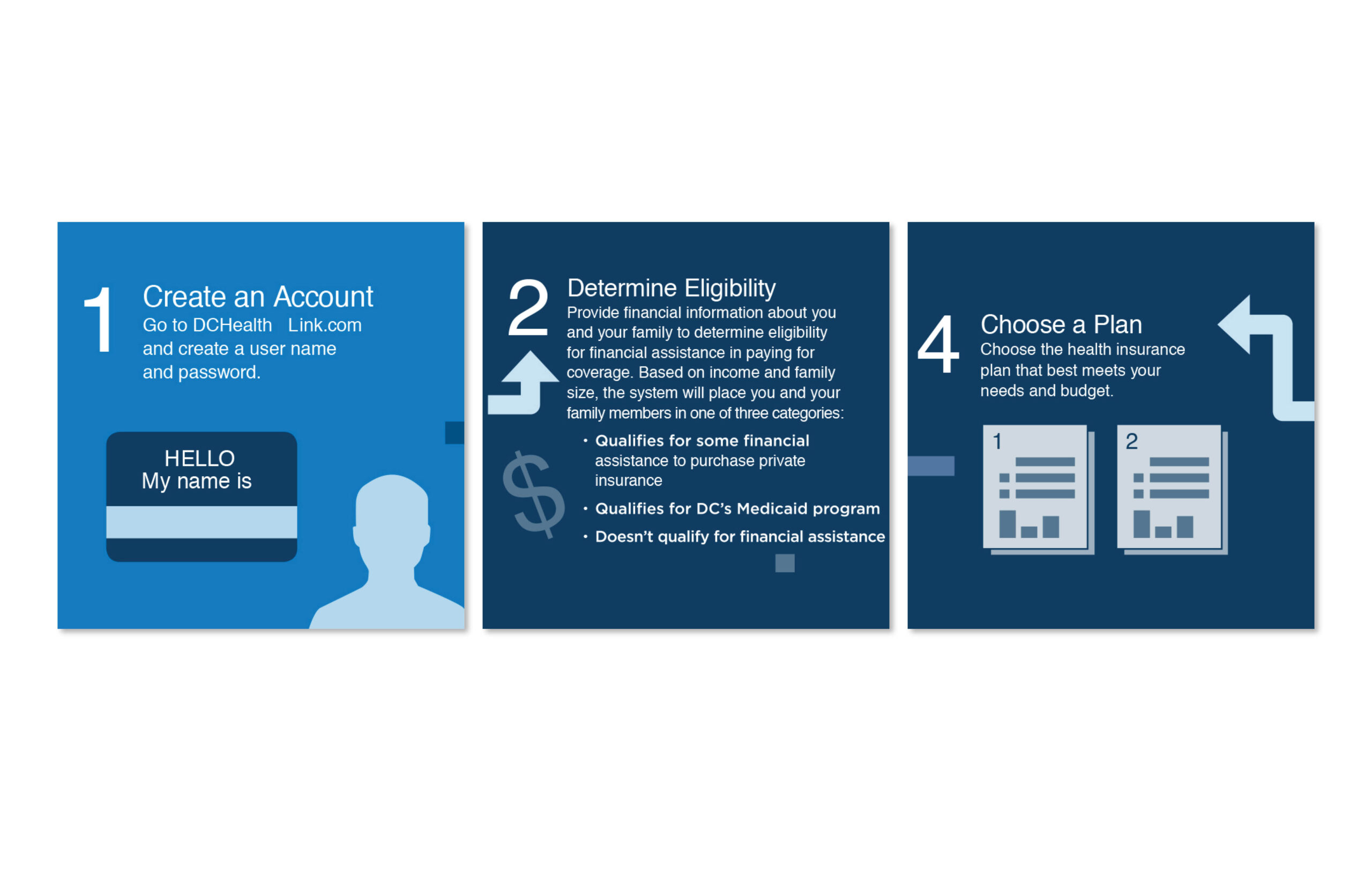
DC Health Link provides District residents with access to important health coverage information and enrollment resources.
Because the service is closely connected to policy, eligibility and personal healthcare decisions, campaign materials needed to communicate with clarity and credibility without feeling overly complicated or institutional.
The creative also needed enough flexibility to support different messages, audiences and digital placements while remaining immediately recognizable as part of the same campaign.
the Strategy
I approached the campaign from a resident-focused perspective, translating policy-driven information into visuals that felt clear, trustworthy and approachable.
A consistent visual direction helped connect individual messages across social media while allowing the content to adapt to different public-awareness needs.
The goal was to make important health coverage information feel easier to recognize and understand whenever it appeared in a resident’s social feed.
our solution
I developed campaign branding and social media creative that gave DC Health Link a more cohesive digital presence.
The visual direction balanced the authority expected from a civic health program with a more accessible and welcoming presentation. Each piece supported the larger campaign while remaining flexible enough to communicate different messages about coverage, affordability and access.
Design and Exection
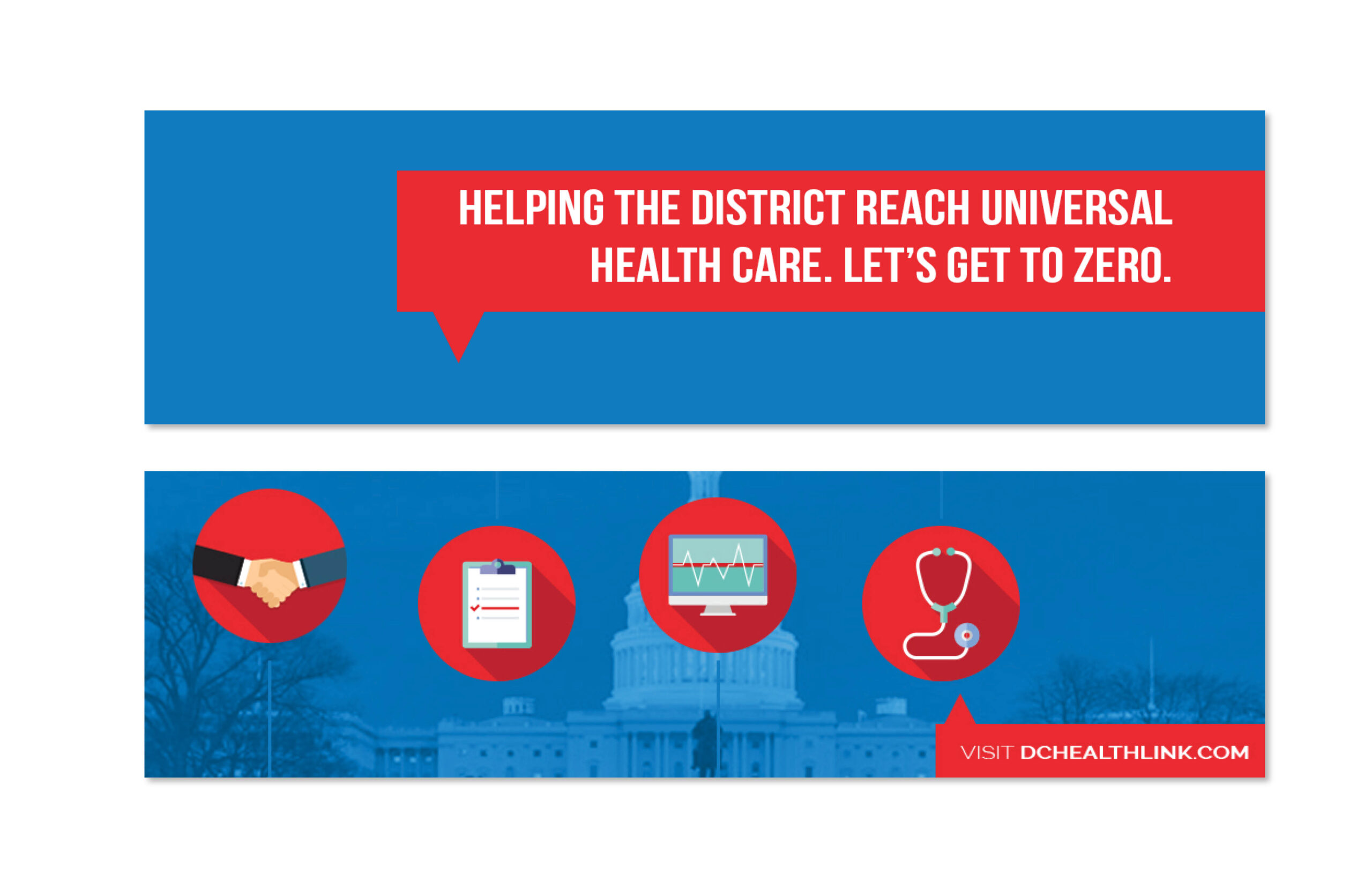
I translated detailed program information into focused social media visuals with clear messaging and an approachable visual style.
Consistent branding, visual hierarchy and campaign elements connected the individual graphics across different messages and placements. This created a recognizable system without making every piece feel identical.
the result
The final creative gave DC Health Link a more consistent presence across its social media channels.
Important health coverage information became easier to recognize and understand while remaining connected to the broader public-awareness campaign. The result was a clearer, more resident-focused way to communicate access to quality, affordable coverage.